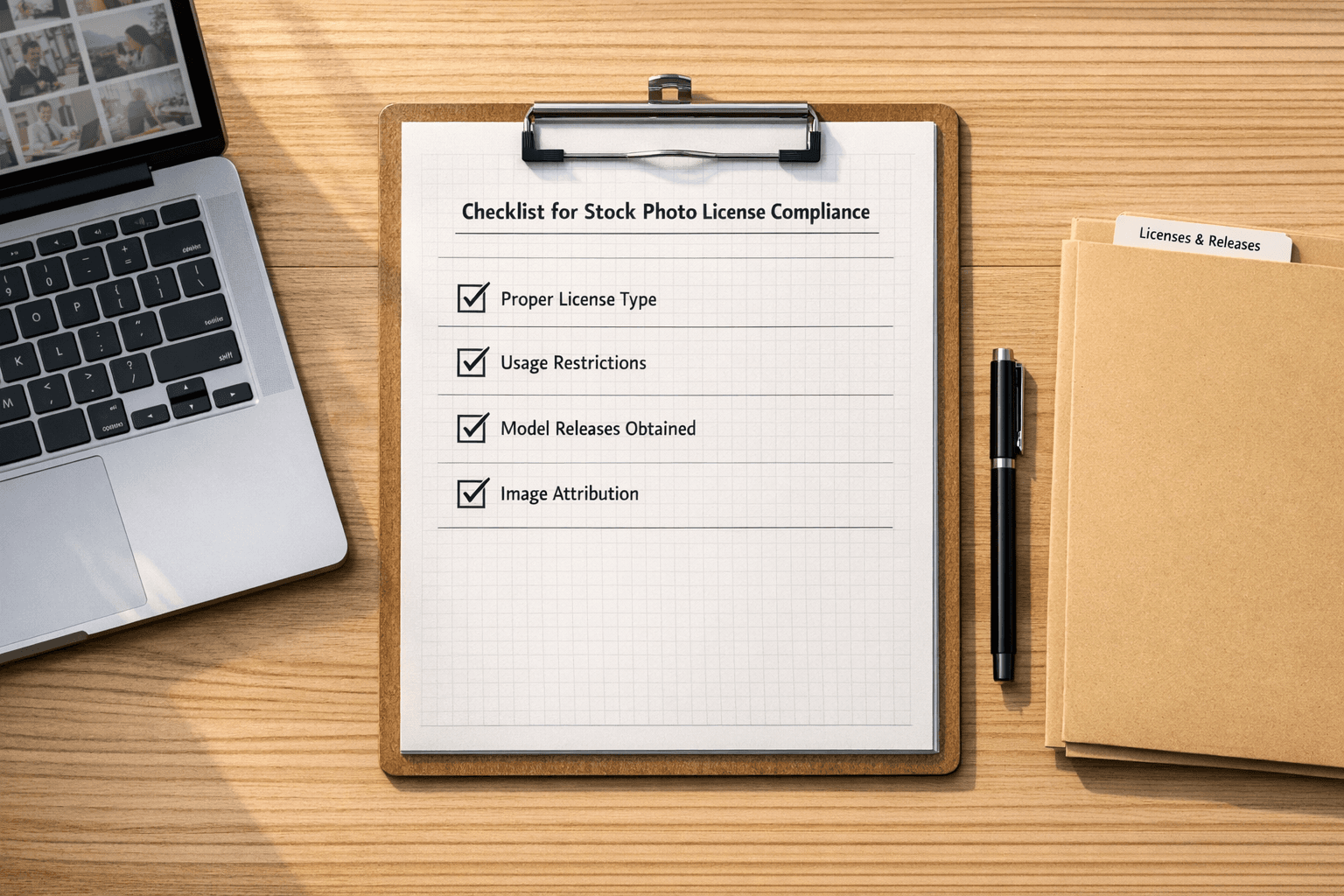
AI-powered metadata tools simplify how images are managed and protected. Metadata includes technical, descriptive, and copyright details embedded in image files. These details are crucial for tracking ownership and ensuring proper usage. Here’s how AI transforms metadata management:
- Faster Processing: AI cuts manual review time by up to 80%.
- Accurate Extraction: Extracts EXIF, IPTC, and XMP metadata like technical specs, copyright info, and geotags.
- Risk Detection: Flags copyright issues, identifies stock photos, and ensures compliance.
- Automation: Handles large volumes of images, organizes data, and prevents errors.
For example, tools like PicDefense.io scan websites, analyze metadata, and flag risks using a database of billions of images. Starting at $30/month, these tools help streamline operations while safeguarding copyrights.
Want to protect your digital assets and save time? AI-powered tools make it easy to manage metadata and avoid legal risks.
Automated Metadata Extraction & Filtering Pipeline using LlamaExtract and LlamaIndex Auto Retriever
The Metadata Extraction Process
AI-driven metadata extraction follows a detailed three-stage process that transforms raw image data into useful insights. Each step builds on the last, creating a thorough assessment of potential risks.
1. Website Scanning
The process kicks off with a full website crawl to identify images. PicDefense.io scans the site, catalogs images, and eliminates duplicates. It then compares each image against a massive database of over 73 billion indexed images [1] to establish a baseline.
During this phase, the system:
- Locates all publicly accessible images
- Removes duplicates by analyzing image URLs
- Creates a detailed inventory of images, complete with metadata
2. Data Processing
After identifying the images, the AI extracts and analyzes metadata embedded in the files. This step reveals key details, such as:
- EXIF data: Includes technical specs, creation dates, and camera details
- Copyright information: Embedded ownership details
- Modification history: Tracks any edits or alterations
- Location data: When available, provides geotagging information
This processed metadata lays the groundwork for the next stage of risk analysis.
3. Risk Detection
In the final stage, the system analyzes the data to flag potential copyright issues. It evaluates several aspects to assign risk scores:
- Visual content analysis: Identifies faces, landmarks, or logos that could indicate protected material
- Stock photo detection: Flags images potentially sourced from stock photo libraries
- Origin tracing: Uses backlink analysis to identify the original source
- Compliance checks: Ensures proper licensing and usage rights
For example, in February 2023, Getty Images filed a lawsuit against Stability AI for unauthorized use of their images, highlighting the importance of robust copyright detection systems [2].
Based on these findings, the system provides risk scores and actionable recommendations, such as suggesting alternative images or ensuring proper licensing practices.
Main Functions of AI Metadata Tools
AI metadata tools bring together advanced technologies to analyze and safeguard images effectively.
Complete Website Analysis
PicDefense.io offers a powerful full-site scanning feature that creates detailed image inventories for entire websites. With access to a massive database of over 67.1 billion indexed images [1], this tool can identify both new and duplicate images while keeping track of website changes in real time. It also maintains detailed records of each scan, making it easier for users to monitor changes over time. Plus, the platform includes a whitelist feature to simplify future reviews [1].
Metadata and Content Analysis
The AI engine dives deep into two main areas of analysis:
Technical Analysis:
- Extracts EXIF data
- Verifies copyright information
Visual Analysis:
- Detects faces
- Identifies landmarks
- Recognizes logos
- Matches stock photos
"PicDefense is an AI-powered image copyright checker that helps website owners, bloggers, and businesses identify potentially copyrighted images before they become a legal risk." [1]
These features are designed to integrate easily into existing workflows.
System Integration Options
Modern AI tools are built to fit seamlessly into current systems. PicDefense.io provides various integration options, such as a WordPress plugin for direct CMS use, API access for custom setups, and connections through Zapier and Make.com. Automated scanning ensures that new content is monitored as it’s published, helping maintain compliance effortlessly.
In fact, companies that effectively integrate AI tools into their workflows have reported revenue growth of 5 to 15% and improved marketing efficiency by 10 to 30% [3].
sbb-itb-59d21f2
Common Metadata Issues and Solutions
Working with metadata can be tricky, especially when it comes to extraction and management. Fortunately, AI is stepping in to address these challenges, helping organizations streamline their image management systems.
Incomplete Metadata
Missing or incomplete metadata is a common issue, with manual entry errors falling between 18% and 40% [5]. These gaps can disrupt effective image management, but AI offers solutions to fill in the blanks.
Context Awareness
AI examines the surrounding content and visual elements of an image. By analyzing characteristics like colors, objects, and patterns, as well as the webpage or document context, it identifies and fills metadata gaps.
Structural Analysis
Advanced algorithms map relationships between metadata fields. This allows the system to predict and populate missing information by recognizing patterns in the existing data.
"AI metadata is critical for artificial intelligence applications. Metadata provides essential context information that improves an AI system's understanding, reasoning, and response generation capabilities." - askwisdom.ai [4]
By addressing these issues, AI ensures metadata is more complete and reliable, even for images with diverse structures.
Image Format Support
Every image format - whether it's JPEG, PNG, or GIF - comes with its own metadata structure. Handling these variations manually can be time-consuming, but AI tools like those from PicDefense.io simplify the process with fast and accurate multi-format support [6].
Multi-Format Processing
AI systems automatically extract metadata from standard formats like JPEG, PNG, and GIF. This eliminates the need for manual intervention and ensures seamless processing.
Intelligent Tagging
Tagging, which could take minutes per file manually, now happens in seconds with AI. This not only speeds up workflows but also ensures consistent metadata across all formats [6].
Automated Processing
Metadata management often suffers from poor standardization, costing organizations approximately $12.9 million annually [5]. AI-powered automation, such as intelligent document processing (IDP), can reduce manual work by up to 95% [5].
Take this example: In April 2025, a 3PL warehouse introduced an IDP system for document processing. What once took 20 minutes per document was cut down to under 2 minutes, resulting in monthly savings of $10,000 [5].
These systems go beyond speed, incorporating features like automated quality control, validation, and error detection. They also employ smart analysis techniques, such as object and face detection, and generate context-aware tags, ensuring both accuracy and efficiency.
Conclusion
Key Takeaways
AI-powered metadata extraction is reshaping how businesses manage assets and safeguard copyrights. Its role in the digital landscape is undeniable, offering:
- Enhanced accuracy through metadata validation [8]
- Broad-scale analysis capabilities [7]
- Faster metadata tagging processes [8]
These benefits make it clear: adopting these tools can significantly streamline operations and strengthen copyright protections.
How to Get Started
Now that the advantages of AI-powered metadata extraction are evident, here’s a simple roadmap to begin using these tools. For instance, PicDefense offers a toolkit starting at $30 per month, which includes 150 image analyses and rollover credits. Here's how you can start:
- Scan your website to compile a thorough image inventory.
- Assess risk reports to identify vulnerabilities.
- Document licensing and set up a whitelist for approved assets.
- Activate automated scanning for continuous monitoring.
As highlighted in Deloitte's State of Generative AI Report (August 2024), regulatory compliance and risk management remain significant hurdles for businesses adopting AI solutions [9]. By integrating AI-powered metadata tools, companies can tackle these challenges head-on while ensuring their intellectual property stays protected.
FAQs
How does AI-powered metadata extraction make image management faster and more accurate?
AI-powered metadata extraction transforms how images are managed by automating tasks like tagging and classifying - jobs that used to rely on manual input. Traditional methods can be slow and error-prone, but AI steps in to analyze images in real-time, pulling out important details such as EXIF data, faces, logos, and more with impressive accuracy.
This automation doesn’t just improve precision; it also enables businesses to handle large image volumes quickly and efficiently. Plus, by flagging potential copyright issues and offering actionable insights, AI helps streamline compliance efforts and minimizes legal risks, saving valuable time and resources.
What legal risks can image metadata pose, and how can AI tools help address them?
Image metadata can sometimes put creators at risk of legal trouble, particularly when it comes to copyright issues. This metadata often includes details like copyright notices, geolocation, or timestamps. While these details are useful, they can unintentionally enable unauthorized use of images. For instance, if metadata reveals who created an image or where it was taken, it could be exploited without permission - leading to expensive legal battles or harm to a creator's reputation.
AI tools, such as those provided by PicDefense, offer a solution by scanning websites for images and analyzing their metadata. These tools help identify potential copyright concerns and suggest practical steps, like replacing or removing problematic images. This ensures compliance and minimizes the risk of legal problems. By taking control of image metadata, AI makes it easier for creators and businesses to safeguard their work and avoid copyright headaches.
How can businesses use AI-powered tools to simplify copyright management and ensure compliance?
Businesses can simplify copyright management by using AI-driven tools that scan and analyze digital assets automatically. For example, platforms like PicDefense can crawl entire websites, organize images, and evaluate them for copyright risks by examining metadata and image content. This kind of automation cuts down on manual work and offers practical insights to help businesses remain compliant with copyright laws.
Another helpful feature is reverse image search, which enables businesses to monitor where their images are being used online. This keeps them informed about how their content is being shared or utilized. By leveraging these tools, companies can reduce legal risks, save valuable time, and maintain stronger oversight of their digital assets.
Protect your website from image copyright claims
PicDefense scans your entire website, identifies image risks, and stores proof of compliance — so you never get caught off guard.